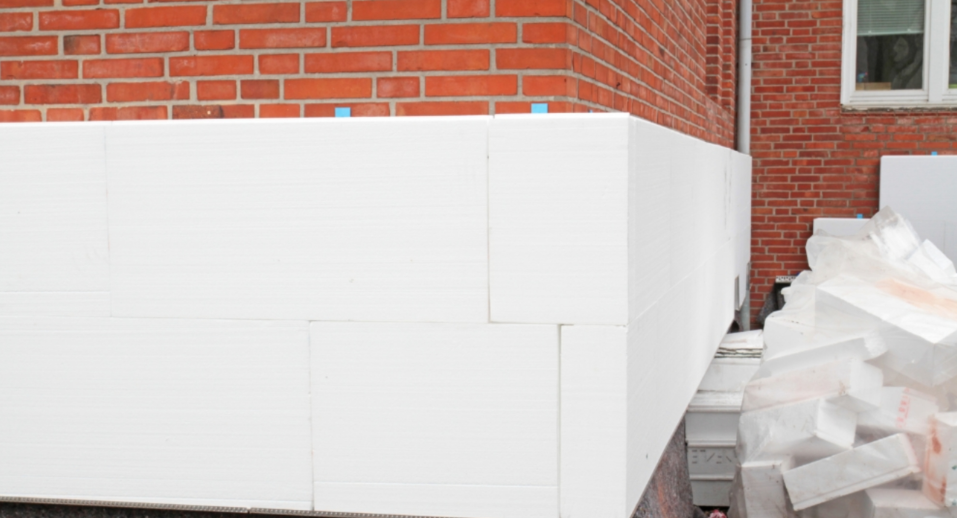
Most building suppliers will tell you polystyrene wall cladding is about insulation and aesthetics. That’s only half the story. What they won’t mention is how this material behaves during those weird Sydney hailstorms or why certain suburbs in Perth have started banning other cladding types altogether. The real conversation needs to happen around what this stuff actually does when your house faces Australia’s unpredictable weather patterns year after year.
Exceptional Insulation Properties
There’s a reason Darwin builders approach insulation completely differently to Hobart contractors. Traditional insulation sits inside your wall cavity and hopes for the best. Polystyrene cladding puts that thermal barrier on the outside where it can intercept heat before it even reaches your framework.
Your studs, joists and internal structure stay closer to room temperature instead of turning into heat conductors. Anyone who’s touched an internal wall during a heatwave knows exactly what this means. The wall itself isn’t radiating stored heat back at you all evening. This changes how your home feels in ways that ceiling insulation alone never quite manages.
Lightweight and Easy Installation
Old Queenslanders weren’t built to carry much extra weight. Neither were those post-war fibro places that cover half of Western Sydney. Polystyrene wall cladding solves a problem most renovators only discover after they’ve started planning. You can clad right over existing weatherboards without reinforcing anything structural.
Brick veneer needs footings and engineering certificates. Fibre cement requires experienced hands and proper scaffolding. Polystyrene goes up fast enough that you’re not paying for weeks of labour and site management. The tradie shortage means this actually matters more now than it did a decade ago.
Moisture Resistance
Here’s what nobody tells you about coastal properties. Salt doesn’t just corrode metal and fade paint. It holds moisture against surfaces in ways that accelerate every type of degradation your building materials can experience. Timber doesn’t just rot faster near the coast. It rots in patterns you won’t see until you’re pulling sections out.
Polystyrene creates a surface that moisture can’t penetrate and salt can’t grip onto properly. But the cleverer bit is that cavity behind it. Rain that gets past still needs somewhere to go. With proper installation, water hits the building wrap and drains straight down instead of pooling anywhere important. Melbourne’s driving rain and Queensland’s tropical downpours both drain away without incident.
Design Versatility
Visit any display village and you’ll see something interesting. Those rendered finishes that look expensive usually aren’t rendered at all anymore. Modern polystyrene wall cladding comes pre-shaped with profiles that replicate everything from stacked stone to horizontal weatherboards. Some manufacturers are producing textures that even experienced builders need to touch to identify.
The range matters because Australian architecture never settled on one style. You’ve got federation homes, Californian bungalows, modernist boxes and Mediterranean villas all sitting on the same street. Finding cladding that works with your existing architecture used to mean expensive custom work. Now you’re choosing from catalogues with hundreds of profiles.
Low Maintenance Requirements
Ask anyone who painted their weatherboard house what they’d do differently. The answer usually involves never buying weatherboard in the first place. Timber moves with moisture and temperature. Paint film can’t move with it, so it cracks and peels on a predictable schedule.
Polystyrene doesn’t move. The surface stays put regardless of humidity or temperature swings. Paint adheres consistently and stays adhered. You’re not out there every few years with a scraper and primer. When you do eventually repaint, it’s because you want a colour change, not because the existing paint has failed. That difference matters enormously over the decades you’ll own the place.
Sound Dampening Qualities
Traffic noise does something strange to property values. Homes on busy roads sell for noticeably less even when everything else about them is identical. Polystyrene’s density does something most people don’t anticipate. It deadens sound frequencies that travel right through brick veneer or fibre cement.
The difference shows up most noticeably with truck noise and motorbike exhausts. Those low frequencies that rattle windows and interrupt conversations just don’t penetrate as effectively. Airports have noise contour maps for a reason. Being inside one of those zones used to mean accepting constant background drone. Proper external cladding actually changes what you hear indoors.
Conclusion
Polystyrene wall cladding handles Australian conditions in ways that keep revealing themselves over time. The thermal performance matters during every heatwave and cold snap. The moisture handling protects your actual structure from degradation you wouldn’t notice until it became expensive. The acoustic improvement changes how liveable a home feels in noisy locations. When you’re comparing cladding options, the question isn’t just about appearance or immediate installation concerns. It’s about how the material performs decade after decade in Australia’s demanding climate.