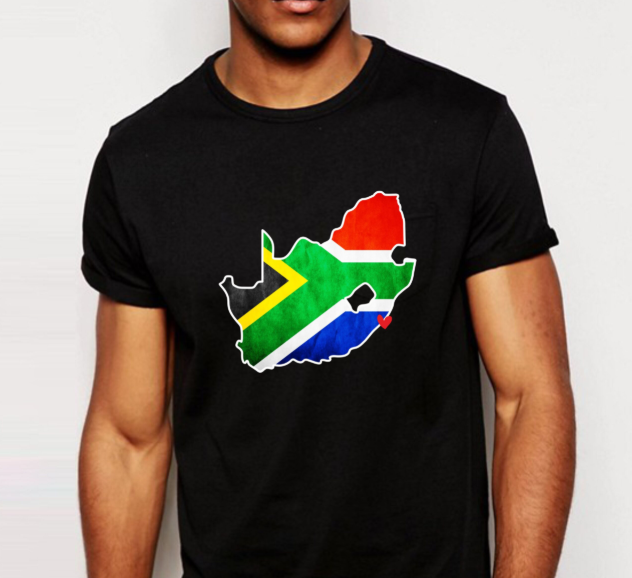
custom t shirts in South Africa have evolved beyond simple promotional tools. The industry has shifted dramatically over recent years. Businesses are moving away from generic screen-printed designs. What many miss is how deeply personal clothing choices have become. This creates unexpected opportunities for connection that most brands overlook.
Elevating Brand Recognition
The real power of branded apparel isn’t about how many people see your logo. It’s about the conversations that start when someone wears it. A well-designed custom garment becomes a talking point at taxi ranks, queues, and social gatherings. People ask where it came from. They want to know what it represents. They’re curious about why the design caught their attention. That moment of genuine curiosity beats passive advertising every time. Most brands treat custom clothing like billboards. They should be designing conversation starters instead.
Creating Team Unity
Matching shirts don’t automatically create unity. Anyone who’s worked in a dysfunctional team wearing identical uniforms knows this. What changes the dynamic is involving people in the design process itself. Staff members contribute ideas. They vote on colours. They suggest modifications. The final product carries their fingerprints. They wear something they helped create rather than something imposed on them. This subtle shift transforms corporate apparel from mandatory uniform into chosen identity.
Expressing Individual Creativity
Small-batch custom printing has quietly revolutionised how South Africans approach personal style. Township entrepreneurs are printing Xhosa proverbs in contemporary fonts. University students are creating inside jokes only their friend groups understand. Families commemorate loved ones with designs that blend photographs and traditional patterns. custom t shirts in South Africa have become a democratic art form. Technical skill matters less than authentic expression. This accessibility has spawned an entirely new visual language on streets and campuses across the country.
Supporting Local Businesses
Something interesting happens when you walk into a local print shop. The person behind the counter might suggest tweaking your design. They base recommendations on how certain colours print on specific fabrics. They’ll warn you that intricate details wash out at distance. Previous work for similar projects gets shown as reference. This accumulated knowledge doesn’t exist in automated online ordering systems. Local suppliers solve problems you didn’t know you had. Repeat customers develop loyalty that transcends pricing comparisons entirely.
Versatility Across Events
The real versatility isn’t about custom apparel working for different events. It’s about how the same basic platform communicates vastly different messages. A church group’s anniversary shirts carry weight through simplicity and dignity. Music festival merchandise screams energy through chaotic graphics and bold typography. Sports teams project aggression or unity through colour psychology. Understanding these nuances separates forgettable promotional items from custom t shirts in South Africa that people actually want to wear repeatedly.
Ensuring Quality Materials
Fabric weight matters more than most people realise. Lightweight cotton might feel comfortable initially. It becomes transparent after a few washes though. This creates awkward situations for wearers. Heavier cotton blends last longer but can be unbearable during summer months. Polyester performs brilliantly for sports teams. It feels wrong for corporate branding somehow. These aren’t minor technical details. They’re fundamental decisions that determine whether your custom apparel gets worn or sits in cupboards gathering dust.
Building Customer Loyalty
Brands that succeed with custom merchandise understand something counterintuitive. The garment shouldn’t scream advertising. People wear items that make them look good first. Brands come second in their consideration. A subtly designed piece with clever placement and tasteful branding gets worn to restaurants and social events. An oversized logo plastered across the chest stays home. This requires restraint that many marketing departments struggle with. The payoff is genuine brand affinity rather than reluctant obligation though.
Environmental Considerations
Fast fashion’s environmental toll has made people rethink throwaway clothing. The solution isn’t simply buying custom pieces instead. It’s about creating garments meaningful enough to justify their resource consumption. A custom shirt commemorating a significant achievement earns its environmental footprint. One representing genuine community does too. Generic promotional giveaways distributed at trade shows get discarded quickly. This distinction matters increasingly to conscious consumers. They evaluate purchases through sustainability lenses now more than ever before.
Conclusion
The custom apparel landscape has matured beyond basic logo printing. Success comes from understanding the psychological and social dimensions of clothing. Treating garments as blank canvases for branding exercises doesn’t work anymore. Whether you’re building team cohesion, expressing creativity, or developing brand loyalty, effectiveness hinges on nuance. Restraint matters too. Genuine understanding of what makes people choose to wear something repeatedly is crucial. Investing in custom t shirts in South Africa means recognising these deeper layers of meaning and connection. That’s where transformation actually happens in this industry.